Limited Time Offer
15%
Off


Here are all the actual test exam dumps for IT exams. Most people prepare for the actual exams with our test dumps to pass their exams. So it's critical to choose and actual test pdf to succeed.

Suggested Answer:
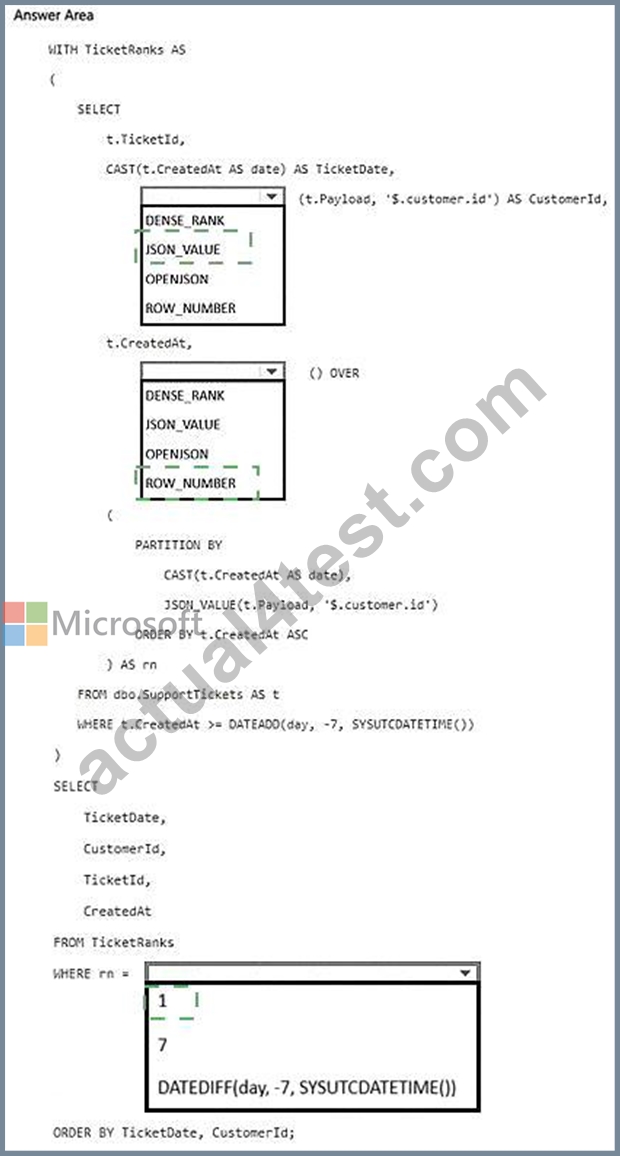
by Jeremy at Nov 09, 2026, 06:52 AM
Here are all the actual test exam dumps for IT exams. Most people prepare for the actual exams with our test dumps to pass their exams. So it's critical to choose and actual test pdf to succeed.
Copyright © 2026 Actual4test NETWORK CO.,LIMITED. All Rights Reserved. All trademarks used are properties of their respective owners. Privacy Policy
Disclaimer:
Actual4test doesn't offer Real SANS and GIAC Exam Questions.
Oracle and Java are registered trademarks of Oracle and/or its affiliates
Actual4test material do not contain actual actual Oracle Exam Questions or material.
Actual4test doesn't offer Real Microsoft Exam Questions.
Microsoft®, Azure®, Windows®, Windows Vista®, and the Windows logo are registered trademarks of Microsoft Corporation
Actual4test Materials do not contain actual questions and answers from Cisco's Certification Exams. The brand Cisco is a registered trademark of CISCO, Inc
CFA Institute does not endorse, promote or warrant the accuracy or quality of these questions. CFA® and Chartered Financial Analyst® are registered trademarks owned by CFA Institute.
Actual4test does not offer exam dumps or questions from actual exams. We offer learning material and practice tests created by subject matter experts to assist and help learners prepare for those exams. All certification brands used on the website are owned by the respective brand owners. Actual4test does not own or claim any ownership on any of the brands.
Comments
Upvoting a comment with a selected answer will also increase the vote count towards that answer by one. So if you see a comment that you already agree with, you can upvote it instead of posting a new comment.
Report Comment
Commenting
You can sign-up / login (it's free).